
Conehead Termites: The Stealthy Destroyers of the Tropics
Welcome to the World of Conehead Termites!
Hey there, fellow explorers! Buckle up as we journey into the intriguing world of Conehead termites—an invasive species known for their relentless ability to wreak havoc on wooden structures. These little critters are stealthy, fast, and can cause significant damage in a short amount of time. Let’s explore what makes the Conehead termite so unique and why they’re considered one of the most troublesome termites in the tropics!
The Unstoppable Invaders
Conehead termites, also known as Nasutitermes corniger, stand out because of their distinctive, cone-shaped heads and aggressive nature. Unlike many other termite species, Conehead termites don’t rely solely on underground nests—they can build free-standing nests above ground, allowing them to spread rapidly and colonize new areas. Originally from the Caribbean, they’ve found their way into parts of the southern United States and continue to expand their territory.
Masters of Evasion and Destruction
So, what makes Conehead termites particularly dangerous? For one, they’re experts at staying hidden. Unlike other termites that primarily rely on underground tunnels, Conehead termites are remarkably mobile, moving freely above ground. They can forage far from their nests, traveling across open ground or up walls, meaning they don’t need direct access to wood. Their foraging trails often remain hidden, making it difficult to detect them until considerable damage has already occurred.
Their colonies expand rapidly, with soldiers and workers working together to gather food and construct nests efficiently. These termites are notorious for targeting a wide variety of materials, from wooden structures to trees and even furniture, making them a serious threat to both natural ecosystems and homes.
The Silent and Speedy Destroyers
Conehead termites can cause extensive damage before you even realize they’re there. They’re excellent at concealing their presence, often hiding behind walls, inside furniture, or within wooden structures. Keep an eye out for signs of infestation, such as visible foraging trails, soft spots in wood, or dark nests on trees, buildings, or other structures.
They’re also unique in their ability to create external nests above ground, allowing them to spread more quickly than other termites. These termites don’t just rely on moisture to survive, making them more adaptable and harder to eliminate once they’ve set up shop in your home.
Natural Role and Human Impact
In their natural habitat, Conehead termites help recycle nutrients by breaking down dead trees and plant matter. This ecological role is essential in tropical forests, as it helps maintain a healthy balance within ecosystems. However, when these termites invade urban areas, they can cause immense damage to wooden structures, trees, and homes.
Their destructive nature poses a significant threat to both homes and native species. By eradicating them quickly and responsibly, we can protect our living spaces and preserve the balance in natural ecosystems.
Protecting Your Home
So, how can you protect your home from Conehead termites? The first step is prevention—regularly inspect your property for signs of infestation, repair any leaks, and remove wood debris that may attract them. If you spot a nest or foraging trail, it’s important to act fast and seek professional help to eliminate the colony before it spreads.
While Conehead termites are relentless in their search for food, with proper care and preventative measures, you can safeguard your home and minimize the risk of infestation.
Ready to keep exploring the fascinating world of insects? Stay tuned as we uncover more secrets about nature’s most intriguing creatures!
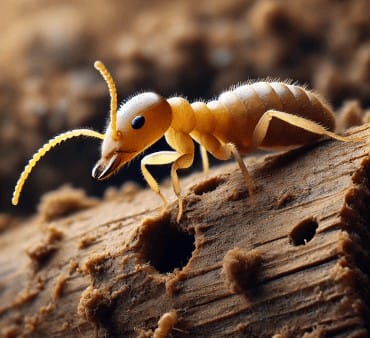
Appearance:
Conehead termites are easily recognizable insects, usually measuring between 1/4 to 3/8 inch in length. Their name comes from the unique, cone-shaped heads of their soldier caste. The soldiers have darker, hard-shelled heads equipped with powerful jaws, which they use to defend their colony from predators and threats. Unlike other termite species, Conehead termites do not rely on mud tubes for travel. Their bodies are smooth and range from light brown to dark brown, with a more cylindrical appearance. The workers, slightly smaller and lighter in color, are the ones responsible for most of the colony’s foraging and nest-building activities.
You may also encounter winged Conehead termites, known as alates or swarmers, which appear during reproductive swarms. These termites have long, transparent wings that they shed after finding a suitable location to establish a new colony. Swarmers are slightly darker than workers and are a sign that the colony is expanding to new areas.
Habitat:
Unlike subterranean termites, Conehead termites are exceptionally mobile above ground and can thrive without the need for constant contact with soil. They can live in a wide range of environments, from dead trees to wooden structures, such as fences, furniture, and even homes. They build large, visible nests above ground, often in trees, shrubs, or other elevated wooden structures.
Conehead termites are adept at spreading without being noticed, as they create foraging trails that can extend over large areas. Their ability to move freely above ground allows them to infest exposed wood or enter homes through small cracks or crevices, often going unnoticed until significant damage has already been done.
Fun Fact:
Conehead termites are highly versatile and don’t rely on underground travel, unlike many other termite species. They can move above ground freely, spreading to new areas without being detected. This makes them particularly challenging to control, as they can infest a wide range of wooden structures, both indoors and outdoors.
Signs of an Infestation:
If you suspect a Conehead termite infestation, there are a few telltale signs to watch for. Look for their distinctive above-ground tunnels or foraging trails, which they use to move between their nests and food sources. You may also notice damage to wooden structures, including trees, fences, and parts of your home. Because they don’t need soil contact, they can invade dry wood, making them harder to detect than other termites that build mud tubes.
During a swarm, you may also spot discarded wings from Conehead swarmers near windows, doors, or other entry points. The termites shed their wings after finding a new location to establish a colony, leaving them behind as a sign of their presence. Swarming typically occurs in warmer months, and it’s a clear sign that the termites are spreading.
Preventing and Addressing Infestations:
Early identification of Conehead termites is crucial to prevent widespread damage. Because of their mobility, Conehead termites can spread quickly through outdoor and indoor wooden structures. If you notice any signs of their presence—such as foraging trails, nests, or damage—it’s essential to contact a pest control professional immediately.
Regular inspections and preventive treatments are key to keeping Conehead termites at bay and protecting your property from infestations. Pest control experts can identify the extent of the infestation and recommend treatments, such as direct nest removal or targeted chemical treatments, to eliminate the colony and protect your property from further damage.
Conehead Termites vs. Other Species:
What sets Conehead termites apart from other species, like drywood or subterranean termites, is their ability to thrive above ground. They don’t depend on moisture from the soil or create mud tubes for travel, making them more versatile and harder to detect. Instead, they are highly mobile and adaptable, moving freely through trees, wood piles, and wooden structures. Their mobility makes them difficult to track, but with regular inspections and proper termite control, you can protect your home and yard from their damaging presence.
Take Action:
If you suspect a Conehead termite infestation, act quickly! Scheduling a professional termite inspection is the first step to safeguarding your home and property. A pest control expert can assess the situation, identify the termite species, and provide the most effective treatment plan to eliminate these destructive pests and prevent future infestations.
Preventing Conehead Termites: How to Safeguard Your Home
Safeguarding your home from Conehead termites demands a proactive strategy. These termites are known for their ability to move freely above ground, which makes them difficult to detect until damage has already occurred. Here’s how you can prevent a Conehead termite infestation:
Keep Wood Elevated and Dry:
Conehead termites are drawn to both dry and moist wood, so it’s important to keep wooden structures and materials dry and well-maintained. Repair any leaks in your roof, walls, or plumbing to avoid moisture buildup. Ensure that firewood, lumber, and other wooden items are stored off the ground and away from your home, as Conehead termites can easily move between wooden structures.
Regularly Inspect Outdoor and Indoor Structures:
Since Conehead termites are highly mobile and don’t rely on mud tubes, they can infest both outdoor and indoor wood. Check wooden structures like fences, decks, sheds, and trees for any signs of termite activity. Inside your home, check furniture, wooden beams, and baseboards for any small holes or visible damage. Look for their distinctive foraging trails, which often run along the surface of wooden structures or trees.
Seal Entry Points:
To prevent Conehead termites from entering your home, seal any cracks, gaps, or crevices in the exterior of your house. Be sure to closely inspect areas where wood comes into contact with the ground or other building materials. By blocking potential entry points, you reduce the risk of termites sneaking into your home.
Trim Trees and Shrubs:
Conehead termites frequently establish nests in trees or shrubs before moving on to infest nearby wooden structures. Keep trees and shrubs well-trimmed and ensure they do not touch your house, as this can provide a direct path for termites to access your home.
Use Termite-Resistant Materials:
For outdoor construction and repairs, opt for termite-resistant or treated wood. This will make it harder for Conehead termites to infest your structures. In addition, consider using metal or concrete barriers to prevent termites from gaining access to your home’s foundation.
Schedule Professional Termite Inspections:
Because Conehead termites are difficult to detect, regular inspections by a professional pest control service are crucial. Pest control experts can identify signs of termite activity early on, preventing the termites from causing widespread damage. Inspections should be done at least annually, especially if you live in an area where Conehead termites are common.
What to Watch For:
Recognizing the signs of a Conehead termite infestation can help you act quickly. Here’s what to look out for:
- Foraging Trails: These visible trails are used by Conehead termites to move between their nests and food sources. They often appear on the surface of trees, wooden structures, or walls.
- Discarded Wings: During a swarm, winged termites leave their colony to establish new nests. If you find discarded wings near windows, doors, or outdoor wooden structures, it’s a sign that termites may be nearby.
- Wood Damage: Look for wood that appears hollow or damaged. Conehead termites eat wood from the inside out, weakening the structure without always leaving obvious external signs.
Take Action Now:
Question: “Have you noticed any subtle signs of termite issues, like trails or damaged wood, around your home?”
Take a moment to inspect your home’s exterior, trees, and wooden structures. If you notice any unusual trails, tiny holes, or damage, it’s time to call in a professional to assess the situation.
Addressing an Infestation: Conehead termites can cause extensive damage if not dealt with promptly. If you suspect your home may be infested, contact a pest control professional immediately. They can identify the species and recommend the best treatment method, which may include direct nest removal, chemical treatments, or baiting systems. Regular maintenance and professional oversight are key to protecting your home from these persistent invaders.
By staying vigilant and taking preventive measures, you can safeguard your home from Conehead termites and minimize the risk of costly damage.
Lifestyle:
Conehead termites are remarkable for their ability to live entirely inside the wood they consume. They build their nests, called galleries, in dry wood, such as furniture, wooden beams, and walls. These galleries are like tiny mazes inside the wood, where the termites burrow and create their home. Unlike subterranean termites, which rely on contact with the ground for moisture, conehead termites obtain all the water they need directly from the wood they consume.. This unique lifestyle allows them to infest exposed wood without touching the soil.
Fun Fact: Conehead termites can live their whole lives without ever touching the ground! They get all their moisture from the wood they eat, making them true wood-dwellers.
Diet:
What do conehead termites eat? They mainly munch on dry wood. This includes the beams holding up your house, old furniture, or wooden picture frames. Their diet is rich in cellulose, which is a major component of wood. As they chew through the wood, they create tunnels and chambers inside it, causing what’s known as conehead termite damage.
What if you could turn your favorite food into your actual home, like how conehead termites live inside wood? Picture living in a house built entirely from your go-to snack, and anytime you get hungry, you can just nibble on the walls. How cool would that be?
Role in Nature:
Despite being pests in human homes, conehead termites play a vital role in nature. They help break down dead trees and recycle wood, which is crucial for forest ecosystems. This process returns nutrients to the soil, helping new plants grow and keeping forests healthy.
Fun Fact: Conehead termites are important for forests because they help get rid of dead wood! Without them, there would be much more dead wood cluttering up forests.
Behavior:
Conehead termites have fascinating methods of communication and colony organization. They use unique techniques to stay connected and maintain order within their community.. They use vibrations to send messages through the wood. By tapping their heads or bodies against the wood, they create vibrations that other termites can sense. This helps them coordinate activities like building and finding food. The colony is divided into different castes: workers, soldiers, and reproductives. Workers do most of the chewing and building, soldiers protect the colony with their large mandibles, and reproductive termites, also known as swarmers, leave to start new colonies.
Question: “How do you think termites talk through wood? They use vibrations!” It’s almost like they have a secret code that only they can understand, allowing them to communicate with each other in a way no one else can.
Trivia:
- Quiz: “Approximately how many termites can inhabit a conehead termite colony?”
(Hint: The number is much lower than that of a subterranean termite colony!)
Answer: A conehead termite colony typically has a few hundred to a few thousand termites, much smaller than subterranean termite colonies. - True or False: “Conehead termites depend on soil for their survival and development.”
Answer: False! They live just in the wood and get all the moisture they need from it.
Conehead termites are fascinating creatures with a unique lifestyle that allows them to infest and live inside dry wood. They cause significant damage to homes by chewing through wood structures, leading to the need for effective termite control methods, such as localized treatment or fumigation. Regular termite inspections can help identify conehead termite infestations early, allowing for prompt treatment to prevent extensive damage. If you see signs of infestation, like tiny pellets called frass or discarded wings, it’s time to contact a professional for help.
These termites typically swarm to form new colonies, and their swarms often occur indoors, leading to infestation of wooden structures. Professional termite control is essential for getting rid of conehead termites and protecting your home from further damage. By understanding how conehead termites live, what they eat, and their role in nature, you can better appreciate these tiny yet powerful insects and the importance of preventing and controlling their impact on wooden structures.