
Discovering the Marvels of Yellow Ants: A Fascinating Journey into the Ant World!
Ants, those tiny but mighty creatures bustling around in colonies, have a lot more to them than meets the eye. And today, we’re diving into the vibrant world of yellow ants! Did you know that yellow ants, also known as citronella ants, can be found in various habitats, from leaf litter to damp crawl spaces? These industrious insects play a crucial role in their ecosystems, but there’s so much more to discover about them.
Here’s a fascinating tidbit: Yellow ants are known for their love of honeydew, a sweet substance produced by aphids and mealybugs. They’re like little connoisseurs, feasting almost exclusively on this sugary treat. But what else makes these ants stand out from the crowd? How do they build their colonies, and what challenges do they face in the wild?
Now, here’s a thought-provoking question for you: Have you ever wondered why yellow ants swarm in late summer and fall? What’s the buzz behind this seasonal phenomenon? Join us as we uncover the secrets of yellow ants and embark on an exciting journey into their colorful world. Get ready to be amazed by these tiny but remarkable creatures!
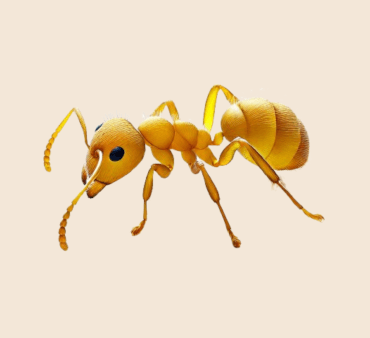
Let’s take a closer look at these vibrant creatures known as yellow ants, also called citronella ants. Understanding their appearance, behavior, and habitat is key to identifying them and appreciating their role in nature.
Appearance:
Yellow ants are typically small in size, measuring only a few millimeters in length. They can range in color from pale yellow to light brown, with segmented bodies featuring a distinct waist. One unique characteristic of yellow ants is their lemony or citronella-like scent when crushed, hence their common name, citronella ants.
Behavior:
These ants are social insects, living in colonies with a structured hierarchy. They are primarily nocturnal, meaning they are most active during the night. Yellow ants feed almost exclusively on honeydew, a sweet substance produced by aphids and mealybugs. They communicate using chemical signals, such as pheromones, to coordinate their activities and defend their colonies.
Habitat:
Yellow ants prefer moist environments and can often be found in areas with high humidity, such as damp crawl spaces, basements, or along foundation walls. They may also nest in soil, leaf litter, or beneath concrete slabs. These ants typically forage for food near their nest sites, scouting for sources of honeydew and dead insects.
Fun Activity: Ant Scavenger Hunt!
Ready for a fun challenge? Let’s go on an ant scavenger hunt to learn more about yellow ants! Grab a magnifying glass and head outside to explore your backyard or nearby park. Look for signs of ant activity, such as trails of ants foraging for food or small mounds near the base of trees. Can you spot any yellow ants among the bustling colonies? Take notes and sketch what you observe to document your findings. Share your discoveries with friends and family to spread the excitement of ant exploration!
By understanding the unique characteristics and habits of yellow ants, you’ll be better equipped to identify them in your surroundings and appreciate the vital role they play in the ecosystem. So, keep your eyes peeled for these fascinating insects on your next outdoor adventure!
When it comes to keeping yellow ants at bay, a little prevention can go a long way! Here are some playful tips and tricks to help young readers protect their homes and gardens from these curious critters.
Playful Prevention Tips:
Keep it Clean: Yellow ants are attracted to food crumbs and spills, so make sure to keep your kitchen and dining areas clean. Encourage family members to clean up spills promptly and store food in sealed containers.
Seal it Up: Take a cue from the ants and seal up any cracks or crevices around windows, doors, and foundation walls. This will help prevent yellow ants from sneaking indoors in search of food and shelter.
Homemade Ant Repellents: Get creative in the kitchen and whip up some homemade ant repellents using ingredients like citrus peels, cinnamon, or vinegar. Yellow ants are not fans of these scents, so spraying them around entry points can help deter unwanted visitors.
Miniature Ant Barriers: Channel your inner architect and build miniature ant barriers using materials like duct tape or petroleum jelly. Place these barriers along windowsills and door thresholds to create a physical barrier that ants can’t cross.
Fun Facts and Trivia:
Did you know that yellow ants feed almost exclusively on honeydew produced by aphids and mealybugs? It’s like having a sweet tooth for nature’s candy!
Yellow ants are known for their love of citronella, a scent that can help keep mosquitoes away. It’s like having a built-in bug repellent!
DIY Ant Deterrent Activity: Ant Barrier Challenge!
Ready for a hands-on challenge? Gather some household items like tape, cotton balls, and citrus peels, and let’s build our own miniature ant barriers! Experiment with different materials and placements to see which ones are most effective at keeping yellow ants at bay. Get creative and turn it into a friendly competition with family members or friends to see who can come up with the best ant deterrent design!
By taking proactive steps to prevent yellow ants from invading your home and garden, you can enjoy a pest-free environment and keep these curious critters at bay. So, roll up your sleeves and get ready to outsmart those yellow ants with a little creativity and ingenuity!
Welcome to the captivating world of yellow ants! Let’s delve deeper into their fascinating lives and discover what makes them such remarkable creatures.
Life Cycle:
Yellow ants, like all ants, go through a fascinating life cycle that includes egg, larva, pupa, and adult stages. Did you know that worker ants are responsible for caring for the eggs and larvae, while the queen’s main job is to lay eggs to grow the colony?
Social Structure:
Yellow ants live in colonies with a structured social hierarchy. At the top of the hierarchy is the queen, who lays eggs and governs the colony. Worker ants, with their tireless efforts, take care of the queen, tend to the young, and gather food. It’s like having a bustling community where everyone has a specific role to play!
Ecological Importance:
While yellow ants may seem small, they play a vital role in their ecosystems. By feeding on honeydew produced by aphids and mealybugs, they help control the populations of these plant pests. Additionally, their foraging activities help aerate the soil and distribute nutrients, contributing to overall soil health.
Interactive Elements:
Let’s put your knowledge to the test with a fun quiz! Can you match the following terms with their correct definitions?
Yellow Ant: A. A sweet substance produced by aphids and mealybugs.
Honeydew: B. A species of ant known for its pale yellow color and citronella-like scent.
Aphid: C. The process by which ants communicate using chemical signals.
(Answers: 1-B, 2-A, 3-C)
Become an Ant Explorer:
Feeling inspired to learn more about yellow ants? Grab a magnifying glass, head outdoors, and embark on your own ant exploration adventure! Observe their behaviors, identify different ant species, and marvel at the wonders of the insect world. Who knows what fascinating discoveries you’ll make along the way?
In conclusion, yellow ants may be small in size, but they play a significant role in their ecosystems. By understanding and appreciating these remarkable creatures, we can cultivate a deeper connection with the natural world around us. So, let’s continue to explore, learn, and share our newfound knowledge with others. Who knows what other incredible insect discoveries await us? Keep exploring and never stop marveling at the wonders of the natural world!