
Marvelous Miners of the Insect World: A Journey into the Life of Leaf cutting Ants
Welcome to the World of Leafcutting Ants
Hey, adventurers! Ready to shrink down and dive into the bustling world of one of nature’s most incredible architects? Imagine a tiny creature with the strength and teamwork to reshape forests! Yes, we’re talking about leafcutting ants, the green-thumb gardeners of the insect kingdom. What makes these tiny workers so fascinating? Let’s find out together!
Imagine walking through a lush forest in Central America or parts of the Southern United States and stumbling upon a busy highway of ants, each carrying a perfectly cut leaf fragment over their head. This isn’t a scene from an animated movie; it’s the daily life of the fascinating leafcutter ant. These tiny workers are part of a complex world that’s as intriguing as any tale of survival and cooperation.
What Are Leafcutting Ants?
Leafcutting ants, belonging to the genera Atta and Acromyrmex, are not your ordinary garden pest. These ants have mastered the art of farming, but instead of planting seeds, they forage for vegetation, harvesting small pieces of leaves to feed their underground fungal gardens. Their nests, which may extend several feet underground and occupy cubic feet of space, are marvels of engineering, complete with multiple chambers for their fungus gardens, nurseries for their larva, and living quarters for the colony’s members. The ants use their sharp mandibles to cut leaves into small pieces, which they then carry back to their nests. However, these ants do not eat the leaf fragments. Instead, they use them to cultivate a fungal feast, which feeds the ants and their developing young.
Why Should You Care?
Leafcutting ants play a crucial role in their ecosystems. By foraging for leaves and cutting them into pieces, these ants do not just feed their colonies; they also contribute to the decomposition of plant material, helping to recycle nutrients back into the soil. Despite their habit of cutting leaves and potentially being seen as a pest, leafcutters are key players in maintaining the health of tropical forests. Their fungus gardens, a result of a symbiotic relationship with a specific fungus species that needs the ants as much as the ants need it, are a testament to the incredible adaptability and cooperation found in nature. The ants’ ability to manage fungal gardens, defend against pests, and maintain a complex social structure with different castes, such as worker ants, soldier ants, and the queen, highlights an intricate society that rivals our own in complexity and efficiency.
Leafcutting ants stand out not just for their agricultural skills but also for their impressive colony size and the sheer volume of vegetation they can harvest. Unlike fire ants or other ant species that may rely on hunting or gathering, leafcutters are devoted farmers, with each member of the colony playing a specific role in their communal life, from foragers and gardeners to defenders and caregivers.
So, why should you care about these leafcutters? Because they offer a window into the complexity of nature, showcasing how ecosystems thrive through balance, cooperation, and the remarkable adaptations of creatures like the leafcutting ant. Their study not only enlightens us about the broader impacts of insects on ecosystems but also inspires us to look closer at the tiny workers beneath our feet, reminding us of the interconnectedness of all life.
Spotting the Super Ant
Can you tell a leafcutting ant from its million relatives? It’s like finding Waldo in the insect world! These ants are not your ordinary picnic crashers. They march in lines, carrying pieces of leaves above their heads like tiny green umbrellas. Why do they do that? And how can you tell them apart from their cousins? Get ready to turn into a mini detective as we learn the secrets to spotting these incredible insects.
Look and Size:
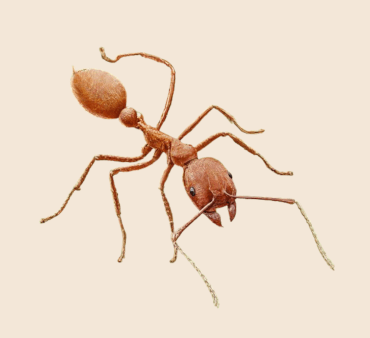
Leafcutting ants, key players in the ecosystems of Central America and the Southern United States, are a marvel of the ant world. These ants belong primarily to the Atta and Acromyrmex genera and vary in size, but most worker ants can be easily recognized by their robust mandibles, used for cutting leaves. Their color ranges from reddish-brown to dark black, depending on the species and caste within the colony. Worker ants, which are the ones you’ll most likely see carrying leaf fragments, are polymorphic, meaning they come in various sizes—from the minima workers that tend to the fungus gardens and larvae, to the larger soldiers that protect the nest from intruders. Their exoskeleton is tough, designed for heavy lifting and cutting through tough plant material.
The Ants at Work:
One of the most distinctive behaviors of leafcutting ants is their habit of cutting leaves into small pieces and carrying these fragments back to their nest. This act is not for feeding on the leaf pieces directly, but rather for using them to cultivate their essential fungal gardens. You can spot these ants at work by looking for foraging trails, often clear paths radiate from nest entrances, lined with ants carrying bits of leaves above their heads—a sight that’s both fascinating and a testament to their hard work and cooperation. These foraging columns are especially active during periods of lower temperatures and can extend up to hundreds of feet from the nest.
Habitat:
Leafcutting ants thrive in tropical forests and regions with high rainfall, but their nests can also be found in parts of the Southern United States. These nests are not just any home; they’re complex underground cavities that can extend several feet into the earth, housing thousands, if not millions, of ants. The underground nest is an engineering feat, with specialized chambers for the queen, larvae, and their precious fungus gardens. The environment within the nest is meticulously controlled by the ants, ensuring the fungal gardens have just the right conditions to grow. The ants prefer environments that offer a rich source of vegetation for harvesting, which includes a wide variety of plant species, making their nests critical hubs of activity and essential for the continuation of their colonies.
Leafcutting ants’ ability to forage, harvest, and cultivate their fungus-based food source is a remarkable example of nature’s ingenuity. Their nests, social structure, and the very essence of their work ethic provide a fascinating glimpse into the complex world of one of Earth’s most industrious creatures. Whether you’re observing the ants’ foraging trails in a tropical forest or spotting the upper surface of their nests in a garden, remember, you’re witnessing a centuries-old tradition of agriculture, carried out by some of nature’s most skilled farmers.
Living in Harmony
Now, imagine if your favorite playground was suddenly taken over by someone else’s game. That’s how leafcutting ants might feel when they bump into us humans. So, how can we share our space without stepping on each other’s toes (or antenna)? Discover cool, friendly ways to live side-by-side with these tiny neighbors, ensuring everyone’s happy and healthy.
Prevention: Living in Harmony
Understanding Ant Behavior:
Leafcutting ants, fascinating creatures of the genera Atta and Acromyrmex, have a unique relationship with the environment. These ants collect leaves not for consumption but as raw material to cultivate fungus in their underground nests. This fungus serves as the primary food source for the ant colony, including larvae and the queen. The act of cutting leaves and transporting them back to their nests is essential for their survival. However, this behavior can lead to defoliation of plants and may be seen as a pest activity in gardens and agricultural settings. It’s crucial to understand that leafcutting ants are selective in the plant species they forage, and their activities play a significant role in nutrient cycling and soil aeration.
Tips for Gardeners:
For young readers and their families looking to manage leafcutting ants in gardens without causing harm, consider these eco-friendly strategies:
- Diversify Plant Selection: Incorporate plant species that are less attractive to leafcutting ants to reduce the likelihood of them foraging in your garden.
- Physical Barriers: Employ barriers around trees and plants, such as sticky tapes or moats, to prevent ants from reaching the leaves.
- Natural Repellents: Explore the use of natural repellents, such as citrus oil or cinnamon, which can deter ants without harming them or the environment.
- Promote Natural Predators: Encourage the presence of natural predators of leafcutting ants, like certain types of birds, to naturally control their population.
- Observe and Learn: Before taking any action, observe the ants’ behavior and foraging trails. This understanding can lead to targeted and more effective management strategies that respect the ants’ ecological role.
Respect for Nature:
Embracing coexistence with leafcutting ants is key to appreciating the intricate balance of ecosystems. These ants are not just pests; they are crucial components of their habitats, contributing to the decomposition of vegetation and aiding in soil fertilization through their fungus farming activities. Their nests, which can be marvels of engineering, and their complex social structures offer invaluable lessons on cooperation and sustainability. By respecting and learning from leafcutting ants, we can foster a deeper appreciation for the natural world and its interconnectedness. Recognizing the role of these ants in the ecosystem allows us to find harmonious ways to live alongside them, balancing our needs with the preservation and health of our shared environment.
The Amazing Ant Academy
Social Structure:
The complex social organization of leafcutting ant colonies is a marvel of the natural world. Within each colony, there’s a clear division of labor among different castes: the workers, soldiers, and the queen. Worker ants are responsible for foraging, cutting leaves into small pieces, and tending to the fungal gardens and larvae. Soldiers, larger in size, protect the colony from predators and intruders with their strong mandibles. At the heart of the colony is the queen, whose primary role is to lay thousands of eggs, ensuring the colony’s growth and survival. This hierarchical structure enables leafcutting ants to efficiently manage their tasks, from harvesting vegetation to defending their nest.
Fungus Farmers:
Leafcutting ants have a symbiotic relationship with a specific fungus, which they cultivate in their underground nests using cut leaf pieces. This fungus serves as the main food source for the colony. The ants meticulously care for their fungal gardens, removing any plant material that could harm the fungus and even producing antibiotics to fend off fungal pests. This agricultural skill highlights the ants’ ability to cultivate crops, making them among the world’s first farmers.
Environmental Impact:
The activities of leafcutting ants have significant ecological benefits. By cutting leaves and bringing them underground, these ants contribute to the aeration and enrichment of the soil, promoting plant growth. Their foraging can also aid in seed dispersal and the recycling of organic material, making leafcutting ants crucial players in their ecosystems.
Research and Conservation:
Ongoing research on leafcutting ants offers insights into their behavior, social structure, and the mutualistic relationship with their cultivated fungus. Studies focus on understanding how these ants communicate, navigate, and make decisions that benefit the entire colony. Conservation efforts are crucial to preserving their habitats, as these ants are vital to the health of tropical forest ecosystems. Protecting their environment ensures the survival of a wide range of plant and animal species.
Fun Facts and Records:
A single leafcutter ant colony can harvest the leaf equivalent of a cow eating grass in a day.
Leafcutter ants can carry pieces of leaves up to 20 times their body weight.
The queen of a leafcutter ant colony can live for over 15 years and lay millions of eggs in her lifetime.
How to Get Involved:
For young readers eager to learn more about ants and entomology, consider starting a small ant farm to observe their behavior closely. Many online resources and local nature programs offer educational materials and activities related to ants and their role in the environment. Participating in local conservation projects can also provide hands-on experience with these incredible insects and other aspects of biodiversity.
Leafcutting ants are more than just fascinating insects; they’re teachers, showing us the importance of cooperation, sustainability, and our interconnectedness with nature. By learning from them, we can gain a deeper appreciation for the intricacies of ecosystems and the vital roles that even the smallest creatures play in our world.
The Underground Cities: Did you know leafcutting ants build underground metropolises that can house millions of ants? These are not just holes in the ground but complex networks with nurseries, gardens, and waste rooms. How do they do it? Let’s put on our hard hats and explore these subterranean wonders together.
The Leafy Harvest: Ever wonder why they cut leaves? They’re not making a salad! Dive into the world of ant farmers to discover how they use these leaves to grow a special kind of fungus, which is their main food. It’s like farming, but way cooler and tinier.
Teamwork Makes the Dream Work: In the ant world, teamwork is everything. Learn how each ant plays a specific role, from the queen to the workers and soldiers, all working together like a well-oiled machine. What can we learn from their teamwork?
Eco-Warriors: These tiny creatures play a huge role in their ecosystems. By pruning plants, they help with plant growth and forest regeneration. How do they impact the environment, and
why should we cheer them on?
Fun Facts and Trivia
Did You Know?: A leafcutting ant can carry 20 times its body weight. That’s like you lifting a car!
Guess What?: Some leafcutting ant colonies are over 50 years old and can have up to 8 million members. Imagine the size of their underground cities!
Trivia Time: Why do leafcutting ants prefer certain leaves over others? Hint: It’s all about the flavor… for their fungus!
Conclusion: Tiny Heroes of the Earth
And there you have it, friends! Leafcutting ants might be small, but they’re mighty in their impact on our world. From their incredible teamwork to their environmental benefits, there’s so much we can learn from these fascinating creatures. So next time you see a line of ants carrying leaves, give them a cheer for being such amazing little heroes of our planet.