
Harvester Ants: Little Engineers of the Earth
Welcome to the World of Harvester Ants!
Hey there, young explorers! Have you ever imagined ants being farmers? Yep, you heard that right. In the vast world of insects, there’s a tiny, yet mighty creature that takes farming to a whole new level – the harvester ant. These little engineers of the earth are not just any ants; they’re the master harvesters of the insect kingdom!
Harvester ants, known by their scientific name Pogonomyrmex, are fascinating creatures that play a crucial role in our ecosystem. Unlike their notorious cousins, the fire ants, or the invasive red imported fire ant, harvester ants focus on the noble task of gathering food and contributing positively to their environment. They are often found busily at work around their nests, which are marvels of natural architecture, complete with mounds covered in small pebbles and intricately designed tunnels that lead to underground chambers where they store their food and care for their young.
These ants are not just about hard work and foraging, though. They have a unique side too. For instance, the red harvester ant, a common species among the many types of harvester ants, can carry objects up to 50 times its body weight! Imagine if you had the strength to lift a car over your head – that’s how strong these little guys are. Their nests, often seen as spots in lawns stripped of vegetation, are a testament to their industrious nature, as they gather seeds and dead insects to feed their colony.
But it’s not all smooth sailing in the life of a harvester ant. They are equipped with a painful sting, a defense mechanism that injects venom into their adversaries. This sting places them on the Schmidt Pain Index, a scale that rates the pain of insect stings, highlighting the potent defense these ants have against predators. Despite this, harvester ants are often the target of horned lizards and other creatures that find them to be a favorite food source.
The world of harvester ants is a complex one, from their foraging behavior that regulates based on food availability to the intricate mating dances that ensure the survival of their species. They live in colonies ruled by a single queen ant, where every worker, forager, and larva plays a vital role in the colony’s success. Their ability to adapt and thrive in dry conditions, their intricate foraging patterns, and their contribution to seed dispersal (myrmecochory) are just a few aspects that make studying these ants a fascinating journey.
So, let’s dive into the bustling life of the harvester ant, explore their nests, learn about their painful sting (and how to avoid it!), and discover how these tiny farmers of the insect world play a big role in maintaining the balance of our ecosystems. Are you ready to jump to content that’s as exciting as exploring a new world? Let’s go!
Spotting a Harvester Ant
Welcome back, young naturalists! Today, we’re going on a mini adventure to learn how to spot a harvester ant. These little creatures are more than just tiny dots scurrying around; they’re fascinating beings with unique features that set them apart from other ants. Let’s dive in and get to know them better!
Visual Characteristics:
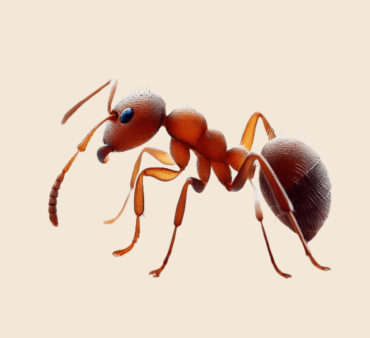
Imagine you’re on a treasure hunt, and your goal is to find a tiny creature with a big personality. The red harvester ant, also known as Pogonomyrmex barbatus, is your treasure. These ants are easy to spot with their vibrant red color that seems to glow under the sun. They’re equipped with large mandibles, perfect for carrying food and building their homes. Speaking of homes, their nests are a work of art, often found surrounded by small pebbles that make them stand out like a decorated entrance to a tiny kingdom. These pebbles aren’t just for show; they help regulate the nest’s temperature and deter predators.
Species Diversity:
Harvester ants come in various types, like the flavors of your favorite ice cream! Apart from the red harvester, there’s the western harvester ant and the California harvester, each with its own unique twist. The western harvester ant, for instance, can be identified by its darker, more brownish color. Unlike the unwanted guests at picnics, the red imported fire ants, harvester ants have a more robust and less aggressive presence in their natural habitat. Their nests don’t just pop up anywhere; they’re carefully chosen spots that reflect their needs and the colony’s overall health.
Habitat and Nesting:
Imagine building a castle with an underground kingdom; that’s what harvester ants do. They prefer open, sunny spots where the queen can lay her eggs, and the workers can forage and gather food. These spots are often in lawns or open fields, where they can strip the vegetation around their nest to prevent any shady business from other plants or ants. This stripped vegetation isn’t just for aesthetics; it’s a strategic move to keep the area clear for easy access and defense. Unlike fire ants that invade and sting first, harvester ants maintain their ground, focusing on gathering seeds and caring for their colony. Their nests, marked by mounds covered with small pebbles, serve as a fortress, protecting the queen, her eggs, and their precious food stores from the outside world.
In the grand tapestry of the ant world, harvester ants stand out as the diligent workers and gatherers, contributing to the ecosystem by dispersing seeds and keeping the soil healthy. Their nests, a marvel of engineering and hard work, reflect their commitment to their colony’s survival. As you explore the great outdoors, keep an eye out for these industrious ants and their unique homes. Remember, every tiny pebble and every cleared spot of vegetation tells the story of a harvester ant’s day at work.
Living in Harmony with Harvester Ants
Hey, friends! Today, we’re going to learn how we can live side by side with the harvester ants without stepping on each other’s toes. You see, these tiny creatures do a lot more for us and the planet than we might realize. So, let’s find out how to keep the peace with these little farmers of the earth.
Understanding Their Role:
First off, harvester ants are like the gardeners of the wild. They play a super important role in seed dispersal, helping plants grow in new places. Plus, they aerate the soil, which means they make tiny holes in it as they build their homes. These holes let air and water get down into the ground, which helps plants grow better. Without these little guys, our environment wouldn’t be as rich and diverse. So, calling them pests? That’s a big misunderstanding!
Prevention Tips:
Now, we know we don’t want to harm these helpful critters, but we also don’t want them too close for comfort, right? Here’s the deal: keep your lawn and garden tidy. Harvester ants are always on the lookout for food, and if your yard is a buffet of leftovers and debris, they’ll come marching in. By keeping things clean, you’re telling them, “Party’s elsewhere, pals!” Also, these ants love to strip vegetation around their nests, so if you see a spot in your lawn looking a bit bare, it might be their doing. Understanding these signs can help you respect their space and not disturb their homes.
Natural Control Methods:
Sometimes, despite our best efforts, harvester ants might get a little too cozy. If you’re facing an ant version of a “Goldilocks and the Three Bears” situation, there are gentle ways to encourage them to move on. Natural ant baits can be used, but choose ones that won’t harm the ants or the environment. Another smart move is to reduce food availability. If the ants find it hard to get snacks on your property, they’ll likely set up shop elsewhere. Remember, the goal isn’t to start a war but to gently guide them to a better spot for both of you.
Using these methods isn’t just about controlling a harvester ant infestation; it’s about coexisting with these incredible insects. By understanding the vital role harvester ants play in our ecosystem, from their foraging behavior that spreads seeds to their nests that help the soil, we can appreciate their presence while keeping our homes and gardens comfortable for everyone. So, next time you spot a harvester ant or their unique mound covered with small pebbles, remember, they’re just doing their part in nature’s big picture. Let’s do ours by living in harmony with them.
Dive Deeper into the Life of Harvester Ants
Alright, explorers, it’s time to dive deep into the bustling world of harvester ants. These tiny architects are not just about building mounds; they’ve got a whole society running underground. Let’s uncover the secrets of their lives, from their daily chores to their complex social structure. Ready? Let’s dig in!
The Life Inside a Colony:
Imagine a city where everyone has a job, from the mayor to the street sweepers. That’s a harvester ant colony for you! At the heart of this bustling metropolis is the queen ant, the sole egg-layer who keeps the colony growing. Worker ants, the backbone of the ant society, handle everything from nursing the larvae to maintaining the nest. Foragers are the adventurers, venturing out into the wild to gather food. And then there are the reproductives, ready to start new colonies. Each ant plays a crucial role, ensuring the colony’s survival through teamwork and dedication.
Foraging and Feeding:
Harvester ants are like the grocery shoppers of the ant world. They leave the nest on a mission: to find food. Their favorite snacks? Seeds! These little foragers are experts at finding the best seeds, which they bring back to the nest to feed the colony. Inside their home, they have special storage areas where they keep their food safe and sound. This way, they always have a supply of food, no matter what the weather outside is like.
The Pain Index:
Ever wonder why an ant bite hurts so much? Harvester ants pack a punch with their sting, injecting venom that can really sting. They’re on the Schmidt Pain Index, which means scientists have ranked their sting as pretty painful. But don’t worry, they only sting when they feel threatened. Their sting is a way to protect their home and family from predators.
Mating and Reproduction:
When it’s time to grow their family, harvester ants put on quite a show. Winged males and females take to the skies in a spectacular swarm. This is their mating dance, and it’s how they find their perfect match. After mating, the female lands, sheds her wings, and starts a new colony. It’s the circle of life, ant style!
Fun Facts and Trivia:
Did you know harvester ants can adjust their work schedule based on the weather and how much food is around? Yep, they’re pretty smart about saving energy and resources. And they’re champions of seed dispersal, helping plants grow in new places.
Environmental Impact:
Harvester ants do a lot more for the environment than just clean up dead insects. By spreading seeds, they help new plants grow, adding to the beauty and diversity of our ecosystems. They’re like nature’s gardeners, making sure everything stays green and lively.
It’s not just ants in their world; harvester ants interact with lots of different creatures. Horned lizards, for example, think of them as a tasty snack. But it’s all part of nature’s balance, with each species playing a role in the ecosystem.
Our little ant friends are more important than we might think. By keeping their habitats safe and protected, we help maintain the balance of our ecosystems. Let’s remember to respect and protect these industrious insects and their homes.
So, there you have it, folks! The life of a harvester ant is a fascinating journey of work, community, and survival. These tiny creatures have a big impact on the world around them, proving that even the smallest members of our ecosystem have a role to play. Let’s keep our eyes open and our minds curious as we continue to explore the wonders of nature together.