
World of Little Black Ants
Welcome to the World of Little Black Ants!
Imagine a world right under your feet, bustling with activity, where tiny creatures achieve incredible feats every day. Now, zoom in closer, and you’ll find the mighty little black ant, Monomorium minimum, a tiny powerhouse thriving in this bustling microcosm. Welcome to the fascinating world of little black ants! These ants may be small in size, but they’re giants when it comes to their strength and survival skills.
Little black ants, native to North America and found throughout the United States, including the southern half of California and the San Francisco Bay Area, are fascinating creatures with a knack for organization and teamwork. Their colonies, which can house thousands of workers along with many queens, are marvels of natural architecture, often built in protected spaces like crack in exterior walls, beneath decaying wood, or even within the crevices of masonry and woodwork.
But why are these ants so interesting? Apart from their impressive strength, capable of lifting and carrying more than three times their own weight (imagine a second grader lifting a bicycle!), these tiny black ants play a significant role in our ecosystem. They forage in trails, often seen along sidewalks and foundation walls, searching for food sources ranging from honeydew produced by aphids to the sweet remnants of your picnic. Their nests, although sometimes challenging to locate as they can be nestled within wall voids or rotting logs, are a testament to their adaptability, thriving in both urban and wooded areas.
Fun Fact: Did you know that little black ants are incredibly strong for their size? It’s true! These ants can lift and carry objects more than three times their own body weight. That’s like if you could hoist up a bicycle and walk around with it. Impressive, right?
As pests, little black ants can be quite the nuisance, especially when they decide to move indoors through cracks in exterior walls, seeking shelter or a new food source. From June to August, during their mating season, swarms of winged males and females take to the air in a dazzling display, a natural event that, while fascinating, can signal an impending ant infestation in homes or businesses.
Getting rid of little black ants involves more than just reaching for an insecticide; it’s about understanding their behavior, eliminating food sources, and sealing entry points to keep ants away from your home. Whether it’s ensuring airtight containers for food storage in cabinets and pantries, removing decaying wood and firewood away from your property, or managing aphid populations in your garden, effective ant control starts with prevention.
As we embark on this tiny, yet grand adventure into the world of little black ants, let’s appreciate these little ants for what they are: not just pests, but crucial participants in our ecosystem, remarkable for their strength, social structure, and adaptability. Stay tuned as we explore how to identify these tiny black ants, prevent them from becoming unwelcome guests in our homes, and educate ourselves on the vital role they play in our environment.
Who Are These Tiny Titans?
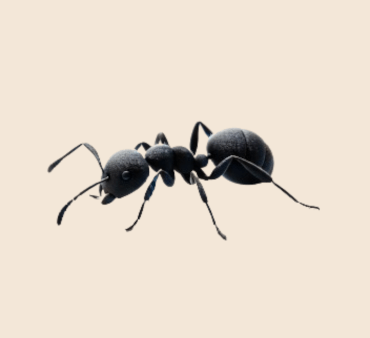
When you think of ants, you might not immediately picture the awe-inspiring creatures that play such a crucial role in our ecosystem. Yet, the little black ant, or Monomorium minimum, is a tiny titan worth getting to know better. These ants are usually dark brown to jet black in color and are quite small, with worker ants typically measuring around 1.5 millimeters in length. Despite their diminutive size, their presence is mighty, especially when they’re foraging in trails along sidewalks, foundation walls, and within the crevices of both urban and wooded areas.
Where You Might Find Them: Little black ants have made themselves at home throughout the United States, from the southern half of California to the bustling urban environments of the San Francisco Bay Area and beyond. They build their nests in a variety of places: under decaying wood, within wall voids, along cracks in exterior walls, or nestled in the masonry and woodwork of structures. Their adaptability in finding food sources and establishing colonies makes them a fascinating study of survival and organization.
Trivia Question: How many times can little black ants stretch their bodies? Believe it or not, these tiny critters can stretch their bodies up to two times their original size when squeezing through cracks and crevices to enter your home or forage for food. Amazing, right?
Spotting Colonies in the Wild: One cool tip for spotting little black ant colonies in their natural habitat involves looking for the tell-tale signs of their foraging trails. These ants are known to forage in well-defined trails that are frequently seen along sidewalks and foundation walls. Additionally, during the mating season from June to August, swarms of little black ants are common, especially when the males and females take flight for their nuptial flight. Observing these swarms can often lead you back to their colonies, which may be hidden under rocks, in rotting logs, or within the cracks and crevices of exterior walls.
Little black ants, while often considered pests, especially when they decide to move indoors in search of food or shelter, are an essential part of the environment. They feed on a variety of substances, from aphid-produced honeydew to plant secretions and even the crumbs left behind from your last meal. Their role in the ecosystem, coupled with their fascinating social structure, makes understanding and identifying these little black ants a step towards appreciating the intricacies of nature that exist right under our noses. Whether you’re dealing with an ant infestation in your house or just curious about the tiny black ants seen along sidewalks and within wooded areas, knowing how to identify these creatures is the first step in appreciating their role both in nature and within the ecosystem of our homes and businesses.
Living in Harmony
Little black ants, those tiny critters with a big impact, often venture into human homes for very simple reasons. Their quest? Food, water, and shelter. Just like us, these little black ants are on the lookout for a comfortable place to stay and a steady supply of food. And when they find a crack or crevice leading into the cozy confines of your home, they don’t hesitate to move in, especially if there’s easy access to sugary foods or decaying wood that they can turn into their next meal.
But don’t worry! You don’t have to resort to harsh measures to keep these tiny black ants at bay. There are fun, simple, and humane ways to discourage them from becoming uninvited guests in your home.
Simple, Fun Tips to Keep Ants Out:
Chalk Lines: Grab a piece of chalk and get creative! Drawing lines around entry points like doors and windows can act as a barrier that ants are reluctant to cross. Why? They don’t like the calcium carbonate in chalk. Plus, it’s a fun activity that even kids can help with.
Cinnamon Sticks: Place cinnamon sticks or sprinkle cinnamon powder in areas where ants are frequently seen. The strong smell is a natural deterrent for ants.
Vinegar Solution: Mix equal parts of water and vinegar and use it to clean surfaces. Ants dislike the smell of vinegar, and it helps erase the invisible scent trails they leave behind.
Did You Know? Just like many of us, little black ants have a sweet tooth! They are particularly drawn to sugary substances, which is one reason they might crash your picnic or scout out your kitchen. They feast on honeydew produced by aphids as well as crumbs and spills from our sugary snacks.
Preventing little black ants from entering your home also involves some housekeeping and maintenance:
Seal Cracks and Crevices: Regularly inspect your home for any cracks in the exterior walls or around the baseboard and seal them to prevent ants from entering.
Eliminate Food Sources: Keep your kitchen clean and store food, especially sweets, in airtight containers. Be sure to remove garbage regularly and keep your dining areas free from food residues.
Remove Decaying Wood: Since little black ants may build their nests in decaying wood, it’s a good idea to remove any rotting logs, firewood, and debris away from your home’s foundation.
By adopting these eco-friendly ant control methods, you can keep little black ants and other pests away from your home, ensuring a peaceful coexistence with our tiny neighbors.
Remember, the goal is to deter them, not harm them, maintaining the balance of our shared ecosystems. So next time you spot a little black ant indoors, consider it an opportunity to put these tips into practice and keep your home ant-free in a kind and considerate way.
Little Ants, Big World
In the grand tapestry of our ecosystem, the little black ant, Monomorium minimum, plays a role far larger than its tiny size might suggest. These industrious insects are crucial players in the environment, contributing to the health of our planet in several key ways.
Role in the Ecosystem: Little black ants are unsung heroes of the natural world, performing vital tasks that benefit both the environment and humans. By decomposing decaying wood and other materials, they help recycle nutrients back into the soil, enriching it for plant growth. Additionally, their constant foraging and tunneling activities aerate the soil, improving its structure and facilitating the penetration of water and oxygen to plant roots. These activities underscore the importance of little black ants in maintaining ecological balance and promoting healthy landscapes.
Fun Activity: Build a Mini Ant Farm A fantastic way for young explorers to learn about little black ants is by creating a mini ant farm with adult supervision. This hands-on project allows kids to observe how ants build their nests, forage for food, and interact with each other, providing a close-up look at their social structure and behaviors. Remember to treat your tiny guests with respect and ensure their habitat is properly maintained!
The Superpower of Teamwork: One of the most remarkable aspects of little black ants is their incredible ability to work together. Through a complex system of communication involving chemical signals, or pheromones, ants coordinate their activities, divide tasks among workers, and achieve common goals. This exceptional teamwork is a powerful lesson in collaboration and the importance of each individual’s contribution to the community’s success.
Future Entomologists: We encourage our young readers to become backyard explorers! Take a magnifying glass and venture into your garden, local park, or any green space to observe little black ants and their activities. Watching how they forage, communicate, and navigate their world can spark a lifelong interest in nature, science, and entomology. Who knows? You might discover a new ant species or observe fascinating behaviors that contribute to our understanding of these incredible insects.
Closing Trivia: What’s the biggest ant colony ever discovered? Prepare to be amazed! The largest ant colony known to scientists spans continents, with interconnected nests stretching thousands of miles from the Italian Riviera all the way to the northwest coast of Spain. This supercolony showcases the incredible adaptability and cooperation of ants, proving that even the smallest creatures can achieve monumental feats.
Through their roles in decomposition, soil aeration, and as an example of unparalleled teamwork, little black ants offer valuable lessons about the importance of each organism in our ecosystem. By learning about and respecting these tiny titans, we can appreciate the big impact they have on our world and foster a deeper connection with the natural environment that sustains us all.