
Fiery Invaders: The Secret World of Red Imported Fire Ants!
Meeting the Fiery Invaders
Did you know some ants can “swim” in flooded areas? Yes, you heard that right! Red imported fire ants are not just any ants; they’re aquatic acrobats in their own right, forming living rafts to survive floods. Originating from South America, these tiny but mighty creatures have made a long journey to become one of the most invasive species in the southeastern United States.
Understanding red imported fire ants, or Solenopsis invicta, is crucial, not just because they’re fascinating creatures of nature, but because they have a significant impact on our environment. They’re known for their aggressive behavior, potent sting, and ability to quickly dominate over native ant species, which poses challenges for agriculture and local ecosystems. So, why should we care? Because learning about these fiery invaders helps us appreciate the delicate balance of our ecosystems and the importance of managing invasive species responsibly.
Spotting the Tiny Firefighters
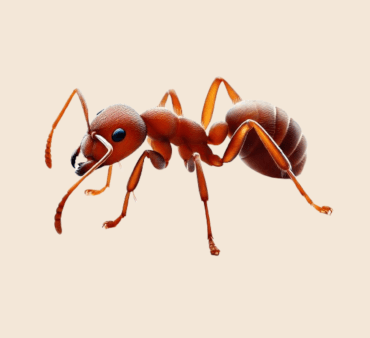
Picture an ant as small as the tip of a crayon but with a spirit as fiery as its sting. That’s the red imported fire ant for you! With their reddish-brown bodies and fierce demeanor, these ants are easy to spot, especially if you’re near their dome-shaped mounds in warm, sunny spots or moist areas. They prefer open spaces to build their vast colonies, turning any unguarded yard into their fortress.
But why are they called “fire ants”? The answer lies in their sting, which injects a venom causing a burning sensation and, in some cases, a pustule that looks like a tiny blister. This fiery defense mechanism is what earned them their name, making them notorious among people and pets alike.
Guarding Against the Fiery Invasion
Preparing for a mini battle against these invaders requires strategy and knowledge. To prevent fire ants from becoming unwelcome guests, consider creating a moat—not with water, but with natural ant-repellent plants or diatomaceous earth around your garden’s perimeter. This barrier acts like a castle’s defense, deterring the ants from crossing into your territory.
For a fun and safe DIY project, why not build a “bug hotel” in a corner of your yard? This provides a sanctuary for beneficial insects and might just distract the fire ants from invading your space. Now, a question to ponder: “What do you think fire ants dislike the most?” If you’re thinking about certain scents or natural repellents like citrus or cinnamon, you’re on the right track!
In managing red imported fire ant infestations, remember that while insecticides and professional pest control can offer solutions, they should be used judiciously to avoid harming beneficial insects and the environment. Understanding the behavior and preferences of fire ants can lead to more effective and sustainable management strategies, keeping our yards safe and our ecosystems balanced.
Delving into the World of Fire Ants
Welcome to a fascinating journey into the lives of one of nature’s most intriguing yet challenging creatures: the red imported fire ant, Solenopsis invicta. Let’s dive into their world with “Fiona the Fire Ant” and her colony’s adventures.
Ant Academy: Fiona’s life began in a tiny, delicate egg within the depths of a bustling fire ant mound. As she grew, she learned the roles and responsibilities that come with being a part of the red imported fire ant colony. From the egg stage to larva, then pupa, and finally emerging as a worker ant, Fiona’s journey is a testament to the complex and efficient social structure of her species. The colony, a sophisticated society led by a queen—or sometimes many queens—works tirelessly. Workers like Fiona forage for food, care for the young, and defend the nest with a fierce loyalty known only to those who share their mound.
Eco-Detectives: While red imported fire ants are often viewed as invasive pests, particularly in agricultural and southeastern states of the U.S., their presence is not without its ecological effects. On one hand, they pose challenges by infesting crops and stinging humans and animals. On the other, they contribute to the ecosystem by aerating the soil and controlling populations of other insects. However, the balance tips more towards them being a concern due to their aggressive nature and the potential harm they cause to native ant species and human activities.
Science Lab: Try this at home for a peek into Fiona’s world. Place a droplet of sugar water near a fire ant mound and observe. Notice how ants communicate and mobilize to transport this find back to their nest. This simple experiment shows the incredible organization and teamwork of fire ants without disturbing their home.
Ant Guardians: Observing creatures like Fiona and her colony can foster a deeper appreciation for all beings, no matter how small. While keeping a safe distance (to avoid their fiery sting), we can learn to coexist with these tiny inhabitants of our world, understanding their role in nature’s grand tapestry.
Quiz Corner: Ready for a fun challenge? Answer this: “Can fire ants really build living rafts?” Yes, they can! In floods, fire ants link their bodies together to form rafts that float until they reach dry land, showcasing their incredible survival skills.
Join the Ant Adventure League!
Armed with your newfound knowledge about Fiona and the red imported fire ants, you’re now ready to share these fascinating facts with friends and family. Become an “Ant Adventurer,” a champion for the curious and often misunderstood creatures of our planet.
As you continue your exploration, ponder this: “What other amazing ant species live near you?” Whether in the southern United States, Puerto Rico, or elsewhere, each ant has a story, each colony a universe waiting to be discovered.
Fun Fact and Trivia Ideas:
Super Swimmers: Red imported fire ants can form rafts to survive floods, a testament to their survival instincts.
Hot Feet: Their sting, causing a burning sensation and a pustule, is why they’re called “fire ants.”
Global Travelers: Originally from South America, these ants have traveled far, establishing themselves as a dominant species in new territories.
Insect Architects: The complex and efficient colonies of red imported fire ants are marvels of natural engineering, demonstrating the incredible adaptability and organization of these tiny creatures.
Embark on your adventure with respect and curiosity, and remember, every creature, no matter how small, plays a part in the story of our world.