
The Secret World of Pyramid Ants: Tiny Architects of the Earth!
Unveiling the Tiny Architects
Have you ever spotted a tiny architect at work right in your backyard, busily crafting a masterpiece out of the earth itself? These aren’t your ordinary builders; they’re Pyramid ants, the unsung heroes of the insect world, constructing their lives beneath our very feet. With precision and diligence, these ants create remarkable structures that dot our landscapes, turning ordinary sandy soil into intricate networks of life.
Pyramid ants, belonging to the genus Dorymyrmex, are fascinating creatures for more reasons than one. Unlike the notorious fire ant or the troublesome pests that invade our homes, Pyramid ants go about their business relatively unnoticed. Their nests, marked by cone-shaped mounds in sunny areas, are not just homes but fortresses that protect and sustain hundreds to thousands of industrious individuals. These ants are masters of their craft, favoring open areas where they can harness the warmth of the sun to build their pyramidal wonders.
Diving into the world of Pyramid ants opens up a realm of discovery. These ants, often found throughout the United States, from the sandy soils of Florida to your own backyard, are not just another ant species. They’re a testament to the complexity and beauty of nature. With bodies that range from brown to reddish-black and a distinctive raised point on the top of their thorax, they’re easily identifiable as the architects of the ant world.
But why should we care about these tiny builders? Learning about Pyramid ants offers us a glimpse into the delicate balance of our ecosystem. They forage for honeydew produced by aphids and other sweet substances, playing a vital role in controlling pest populations and pollinating plants. And while they may build their nests in open, sunny areas, disturbing a Pyramid ant mound reveals the bustling life of a colony that thrives on cooperation and hard work.
So, as we embark on this journey to learn more about the tiny but mighty architects of the natural world, let’s appreciate the Pyramid ants for what they truly are: not pests, but essential contributors to the biodiversity and health of our planet. Join us as we uncover the secrets of these fascinating creatures and learn everything there is to know about the Pyramid ants living among us.
Spotting the Sand Castle Builders
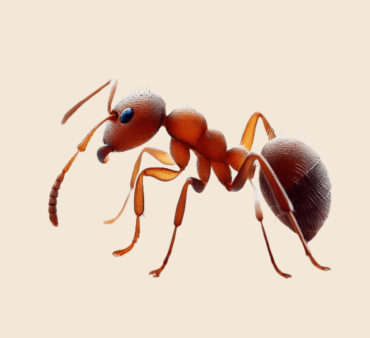
Imagine you’re on a treasure hunt, not for gold, but for some of nature’s most skilled architects. These aren’t builders with hard hats and blueprints, but Pyramid ants, as small as a sprinkle on your ice cream, yet capable of creating structures that baffle and amaze. Their appearance is a marvel, with sleek bodies that range from brown to reddish-black, shining under the sun like tiny jewels scattered on the ground.
Now, where might you embark on this adventure to find them? Pyramid ants love the spotlight, or rather, sunlight. Look in sandy soils, near sidewalks, or in open fields — anywhere the sun kisses the earth with its warmth. These areas are their construction sites, where they build not just homes but empires. The mounds they create are not random piles of dirt but carefully crafted pyramids, tiny monuments that dot the landscape with mystery and intrigue.
But why are they called Pyramid ants? The answer lies in the unique shape of their homes. Much like the ancient pyramids that awe us with their precision and grandeur, Pyramid ants construct cone-shaped mounds that serve as the entrance to their underground world. These mounds, resembling miniature pyramids, are not just for show; they’re functional, protecting the colony from predators and the elements.
Spotting a Pyramid ant and its mound is a journey into understanding the delicate balance of our ecosystem. These ants, while small, play a significant role in aerating the soil and controlling pests by foraging for honeydew produced by aphids. So, the next time you come across a sandy mound bathed in sunlight, take a moment to appreciate the tiny architects at work beneath your feet.
In their world, there’s no need for pest control or fear of an infestation. Unlike their more aggressive relatives, like the red imported fire ants, Pyramid ants are beneficial insects, contributing to the health of our environment. Found throughout the United States, from the sunny expanses of Florida to your local park, these ants remind us that sometimes, the most fascinating discoveries are right under our noses, waiting to be uncovered.
Protecting Your Sand Castles
Living alongside Pyramid ants doesn’t have to be a battle over territory. These tiny architects, while industrious, can coexist with us without turning our gardens or homes into their sprawling ant empires. Here’s how you can protect your sand castles while respecting these fascinating creatures.
First up, a bit of ant diplomacy: understanding what Pyramid ants are after can help you steer them clear of your space. These ants are on a constant quest for food and water, often drawn to the honeydew produced by aphids on plants. So, what do you think Pyramid ants love to munch on during their adventures? If you guessed honeydew along with small insects and sweet substances found in your garden, you’re right on the money!
Now, for a playful DIY project that both you and the ants will love: why not build a “bug hotel” or a designated area in your garden that’s just for them? You can use stacked pots, wood piles, or even a sandbox to mimic their natural habitat. This not only attracts ants away from your home but also offers them a place to build their nests and forage for food, all while contributing to the biodiversity of your garden.
To further safeguard your home, ensure that any cracks or potential entry points are sealed. Remember, Pyramid ants, especially species like Dorymyrmex bureni, prefer sunny areas and sandy soil for their nests but might venture indoors in search of food. Regular lawn care and reducing standing water can also deter ants from setting up shop too close to your living spaces.
While Pyramid ants are typically not a threat to humans and are considered beneficial insects for their role in pest control and soil aeration, maintaining a balance is key. If you find their mounds in open areas of your garden, admire their handiwork from a distance. These cone-shaped mounds are a sign of a healthy outdoor environment but keep an eye out for any signs of infestation near your home.
In cases where Pyramid ants become too much of a nuisance, professional pest control can offer solutions that are specific to managing these ants without disrupting the ecosystem. However, remember that not all ants are dangerous or pests. Unlike their more aggressive relatives, like the red imported fire ants, Pyramid ants typically build their nests in less intrusive locations and play a role in the environmental management of aphids and other garden pests.
By following these tips, you can enjoy a peaceful coexistence with Pyramid ants, appreciating them as the beneficial insects they are, all while protecting your sand castles and home from becoming part of their desert empire.
Journey to the Ant Pyramids
Welcome to the Ant Academy, where the tiny world of Pyramid ants unfolds into an epic saga of construction, survival, and environmental harmony. Let’s embark on a journey with “Antonio the Architect” and discover the secrets of these incredible insects.
Ant Academy: Antonio the Architect is not your average ant. As a member of the Pyramid ant species, or Dorymyrmex bureni, his life is a whirlwind of building, foraging, and community living. From egg to larva, pupa, and finally, a worker ant, Antonio’s journey is a testament to the complex life cycle and colony structure of Pyramid ants. With a single queen mother at the heart of the colony, every ant plays a vital role, from nursing the young to expanding their sandy empire.
Eco-Detectives: Pyramid ants like Antonio are more than just builders; they’re environmental heroes. Their pyramid-shaped mounds and underground networks aerate the soil, making it healthier for plant roots. Plus, their love for honeydew produced by aphids and their role in seed dispersion contribute significantly to the ecosystem’s balance. They’re natural pest controllers and gardeners rolled into one!
Science Lab: Ready for a backyard adventure? Let’s observe how Antonio and his friends find their way home. Place a piece of fruit a short distance from their mound and mark a safe path with chalk. Watch as they navigate the path, collecting food and communicating with their colony. This simple experiment reveals the incredible teamwork and navigation skills of Pyramid ants.
Ant Guardians: Observing Pyramid ants like Antonio teaches us the importance of every creature, no matter how small. By watching them without disturbing their mounds, we can learn to appreciate the wonders of nature and the tiny lives that thrive within it. Remember, every ant, every mound, has a story worth respecting.
Quiz Corner: Think you’ve learned a lot about Pyramid ants? Test your knowledge: What ancient structures do Pyramid ants’ homes resemble? If you guessed pyramids, you’re right! These cone-shaped mounds are not just random piles of sand; they’re carefully constructed homes, each with a purpose and design.
Join the Ant Exploration Team!
Now that you’ve journeyed through the world of Pyramid ants with Antonio the Architect, it’s time to share your newfound knowledge. Tell your friends and family about these tiny engineers and the significant impact they have on our environment.
We invite you to become an “Ant Explorer,” a guardian of the earth’s smallest wonders. Keep your eyes open for the incredible architects of the insect world, and remember, there’s always more to discover. What other amazing architects can you find in your backyard? The adventure is just beginning!
Fun Fact and Trivia Ideas:
Incredible Engineers: Pyramid ants create intricate networks that rival the complexity of human constructions.
Sun Worshipers: These ants harness the power of the sun, staying most active when it’s warm to build their impressive mounds.
Natural Pest Control: By feeding on seeds and insects, Pyramid ants help keep harmful pest populations in check.
Mystery of the Mounds: Each pyramid-shaped mound is a marvel of engineering, serving as a fortress, nursery, and pantry all in one.
Embark on your own exploration, and who knows? Maybe you’ll discover the next Antonio the Architect, ready to unveil the secrets of their sandy kingdom.