
The Amazing World of Odorous House Ants: Tiny Explorers in Your Backyard!
Welcome to the Tiny World!
Have you ever wondered about the tiny creatures that roam our world, unseen and often unnoticed? Let’s dive into the fascinating life of one of the most common household guests across the United States – the odorous house ant, or Tapinoma sessile. These tiny explorers, ranging in color from dark brown to black and varying in size, are more than just pests. They are incredibly interesting insects with unique features and behaviors that set them apart from other ant species.
Odorous house ants, unlike their carpenter ant cousins, do not damage wood but have made a name for themselves in a different way. When crushed, they give off a scent similar to rotten coconut, earning them their unique moniker. This distinct odor when crushed is just one of the many fascinating traits of these ants. Found foraging indoors for sugary foods and attracted to moisture, these ants can nest in wall voids, under baseboards, and even near water pipes, adapting to various environmental conditions.
But why should we care about these tiny pests? For starters, odorous house ants play a significant role in our ecosystem. They forage for honeydew produced by aphids, helping to control the aphid population. Moreover, their relentless search for food leads them back to the colony, where they support thousands of workers and multiple queens. This cooperative and complex social structure is a marvel of nature and offers a glimpse into the world of ants that parallels our own societal systems.
Understanding odorous house ants is crucial not only for pest control professionals but for anyone intrigued by the natural world. Whether it’s using liquid ant baits to treat the nest or employing ant control measures to keep ants indoors at bay, learning about their habitat, diet, and colony life can help us manage ant issues more effectively and appreciate the delicate balance of our ecosystem. So, let’s embark on this tiny adventure and discover what makes odorous house ants one of the dominant ant species, from their ability to relocate their nests in response to changing environmental conditions to the way they protect their queen and workers. Join us as we explore the tiny yet mighty world of odorous house ants!
Spot the Explorer!
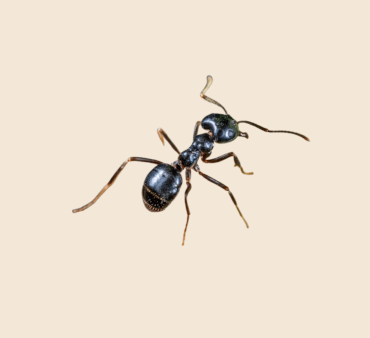
Spotting an odorous house ant, Tapinoma sessile, is like embarking on a tiny treasure hunt right in your own home or backyard. Imagine searching for a creature as small as a grain of rice, with a sleek, dark brown or black body that shines under the sunlight. These tiny explorers are not just any ants; they are a unique ant species known for their ability to adapt and thrive in various habitats.
Commonly found foraging indoors for sweet, sugary foods, odorous house ants are attracted to the honeydew produced by aphids on plants and trees. They can nest in wall voids, beneath baseboards, near water pipes, and even within foundation walls, creating a vast network of ant trails that lead back to their colony. This makes every corner of a house and garden a potential treasure spot for these ants. Their nests vary in size, often located in moist areas, and can house thousands of individuals, including multiple queens, which helps them quickly establish new colonies when they decide to relocate.
But why are they called “odorous”? When these tiny pests are crushed, they emit a distinctive odor, similar to the smell of rotten coconut or, to some, blue cheese. This unique defense mechanism gives off a clear signal of their presence and is a quirky fact that adds to their mystique. Unlike other pest ants, such as carpenter ants or Argentine ants, odorous house ants do not cause structural damage but can become a nuisance due to their relentless search for food and water.
For those on the lookout to prevent or get rid of odorous ants, understanding their appearance and nesting habits is key. Whether using liquid ant baits or consulting a pest control professional, knowing that these ants can nest both indoors and outdoors, often relocating their nests in response to environmental conditions, is crucial. This adaptability, coupled with their ability to forage back to the colony with food sources, makes them one of the most common and dominant ant species across the United States.
So, the next time you come across a line of ants marching one by one, take a moment to observe. You might just be witnessing the daily expedition of odorous house ants, tiny explorers with a big impact on their environment.
Keeping Tiny Visitors at Bay
Alright, young explorers! Are you ready to learn some secret tricks to keep those sneaky odorous house ants from crashing your home party? These tiny invaders are always on the lookout for a sweet treat or a cozy nest. But fear not! With a few playful strategies, you can make your home a fortress against these little pests.
First up, let’s talk about their favorite snacks. Can you guess what it is? If you thought “sugary foods,” you’re right on the money! Odorous house ants love to forage for anything sweet, from spilled juice to tiny crumbs of cake. So, the number one trick is to keep your kitchen cleaner than a whistle. Wipe up spills immediately, store food in airtight containers, and don’t forget to take the trash out regularly.
Now, for a mini “Do It Yourself” project that’s part detective game, part ninja mission. Grab a flashlight and enlist a team of fellow ant-preventers. Your mission: find and seal entry points where these ants could sneak into your home. Look for tiny cracks in the foundation walls, gaps near doors, or uninvited openings around windows. A tube of caulk can be your magic wand to seal these gateways and keep the ants at bay.
But wait, there’s more! Since odorous house ants can nest both indoors and outdoors, let’s make sure they don’t find the inside of your home inviting. If you have pet food, make sure to clean up after your furry friends’ meal times. Remember, ants are attracted to moisture, so fix leaky faucets and ensure water pipes are in tip-top shape to avoid creating a spa retreat for ants.
Lastly, if you’re dealing with a persistent ant problem, it might be time to call in the superheroes of ant control – pest control professionals. They have special tools like liquid ant baits and insecticides that are like kryptonite to ants. However, always remember to follow directions and safety precautions, especially around children and pets, to ensure everyone stays safe while the ants are kept away.
So, young defenders of the home, armed with these secret tricks, how will you start your mission to prevent odorous house ants from invading? And remember, every great explorer keeps their eyes peeled for signs of adventure, or in this case, tiny ant trails leading back to the colony. Let’s keep our homes ant-free and our snacks safe!
Becoming Ant Ambassadors
Ant Life 101: Imagine a tiny city, bustling with activity, where each citizen has a crucial role. This is the world of the odorous house ant colony, a fascinating community led by one or many queens, whose sole job is to lay thousands of eggs. Meet Antony, a worker ant, whose life journey from egg to adult is a tale of transformation. As a larva, Antony was fed and cared for by the colony, and as he grew, he learned the roles of foraging for food, caring for the young, and defending the nest. This story of Antony and his colony peers illustrates the structured yet cooperative life of odorous house ants, showcasing the importance of teamwork and duty.
Eco-Warriors: Though tiny, odorous house ants play a mighty role in our ecosystem. They’re like the cleanup crew of the natural world, breaking down dead insects and organic matter, which enriches the soil. Plus, their foraging habits help spread the seeds of wildflowers, assisting in plant pollination. So, while we might see them as pests, they’re actually eco-warriors, contributing to soil aeration and plant growth, making our planet a greener place.
Science at Play: Ready to be a young scientist? Here’s a simple experiment: Place a piece of fruit in your backyard and observe. You’ll see odorous house ants come to forage, forming ant trails. Notice how they communicate and work together to transport food back to the nest. This observation project not only shows the ants’ incredible teamwork but also their role as nature’s recyclers.
Be an Ant Detective: Equip yourself with a magnifying glass and step into your backyard. Can you find where the ants are entering and exiting their nest? Observe safely and respectfully – remember, we’re guests in their world. Notice the different sizes of ants (workers, soldiers, queens) and how each has a role. By understanding their lives, we learn to respect these tiny engineers and their contribution to our ecosystem.
Ant Trivia Time: Did you know odorous house ants can lift over 20 times their body weight? Imagine lifting a car! They’re also known as “sugar ants” due to their love for sweet foods. And about that unique smell? When squished, they release an odor like rotten coconuts as a defense mechanism. How cool is that?
Join the Ant Adventure!
Now that you’ve learned about the odorous house ant’s secret life, it’s time to share your knowledge with friends and family. Become an “Ant Ambassador,” spreading the word about these tiny but mighty creatures and their role in our world. Remember, every creature, no matter how small, has an important part to play in the ecosystem.
And now, a question to fuel your next adventure: “What other backyard explorers can you discover?” Maybe there’s a world of insects out there, waiting to be understood and appreciated. So, grab your magnifying glass, and let the exploration begin!
Fun Fact and Trivia Ideas:
Why Do They Smell?: That rotten coconut smell is an odorous house ant’s way of saying “Back off!” when threatened.
Ant Superpowers: Not only can they lift incredible weights, but they also work in perfect harmony, showing us the power of teamwork.
Guess the Number: A single colony can have thousands of workers and multiple queens. Can you imagine how busy their nest must be?
Ants vs. Humans: There are millions of odorous house ants for every human on Earth. Who knew we were so outnumbered?
By becoming knowledgeable about odorous house ants, you’re taking the first step towards respecting and protecting these fascinating insects. Who’s ready to be an ant ambassador and explore more of the tiny wonders around us?