
The Mysterious World of Ghost Ants: A Tiny Adventure
Hey there, young explorers! Have you ever heard of ghost ants? No, they’re not the spooky ghosts you hear about in stories, but they’re just as fascinating! These tiny critters might be living right under your nose, especially if you love in places like Florida, Hawaii, or even the Caribbean Islands. Imagine an ant so small and so sneaky, it could be haunting your kitchen without you even noticing. Let’s dive into the world of ghost ants, or as scientists call them, Tapinoma melanocephalum, and discover why they’re one of the coolest ants around.
Spotting the Invisible
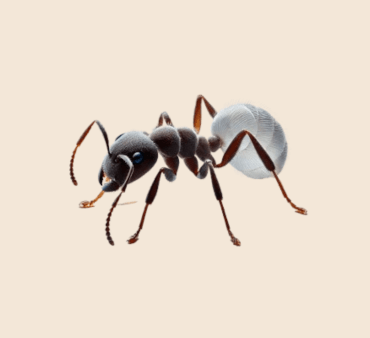
Ever tried to see something almost invisible? Ghost ants are experts at playing hide-and-seek because of their tiny size and translucent bodies. They’re called “ghost” ants for a reason – their abdomen is milky white, making them hard to spot. But here’s a fun fact: despite their ghostly appearance, they have a dark head and thorax, which gives away their presence if you look closely. These ants are not just about looks; they’re also fascinating because of their behavior and where they choose to live, from your cozy kitchen to the wild outdoors.
The elusive ghost ant, known scientifically as Tapinoma melanocephalum, is named for its semi-transparent legs and abdomen, coupled with its diminutive size, making it a challenge to spot. These fascinating insects sport dark heads and thoraxes and typically measure between 1.3 to 1.5 mm in length.
Sharing a lineage with the odorous house ants, ghost ants emit a coconut-like scent when crushed, adding to their unique characteristics. Originating from tropical environments, they have made their home in central and southern Florida for many years, thriving in the region’s warm climate. Remarkably adept at hitching rides in boxes, crates, and even household goods, they have spread far from their native habitats. In cooler northern states, their survival is usually confined to the warm confines of buildings and greenhouses.
Keeping the Ghosts at Bay
Now, you might think, “How do I make sure these ghost ants don’t crash at my place?” Well, it’s all about being a detective and keeping things clean. Ghost ants are like us; they love sweet foods. So, if you spill some juice or drop crumbs, you’re basically inviting them to a feast. By cleaning up and storing food properly, you can keep these uninvited guests away. Also, did you know they build their nests in places like wall voids or potted plants? So, keeping an eye on these areas can help prevent an ant party in your home.
In managing ghost ant infestations, understanding their behavior, preferences for nesting sites, and food sources is crucial. Effective pest management strategies include maintaining cleanliness to avoid attracting these ants with food spills, employing ant baits, and sealing entry points to prevent their access to indoor spaces. For those grappling with a ghost ant problem, professional pest control services offer tailored solutions to mitigate these invasions, ensuring homes remain pest-free.
As a species that has adapted to diverse environments, from the tropical climates of Florida and the Caribbean to the controlled climates of northern greenhouses, ghost ants represent a fascinating study in survival and adaptability. Their intricate social structures, ability to spread through human activity, and impact on ecosystems make them a significant subject of study for entomologists and a curious phenomenon for homeowners alike.
Diving Deeper into the Ant World
Alright, it’s time to put on our entomologist hats and learn more about these tiny creatures. Ghost ants are not just random visitors; they have a complex and intriguing life. They live in colonies that can have multiple queens, which is pretty rare in the ant world. This means they can spread and create new colonies faster than you can say “ghost ant” three times fast!
Did you know that ghost ants are related to other ant species like carpenter ants and pharaoh ants? However, ghost ants are unique because they can adapt to live both indoors and outdoors, making them true survivors. In places like central and southern Florida, these ants have become a common sight, thriving in the warm climate.
Ghost ants are avid consumers of honeydew, which they harvest from aphids and other plant-feeding insects, often protecting these sources of food to ensure a steady supply. Within the home, they demonstrate a sweet tooth, preferring sugary treats. Outside, they construct their nests in soil near stones, logs, and firewood, cleverly using natural and man-made structures to find their way indoors. These ants are known to travel along utility lines or tree limbs that brush against buildings to infiltrate them.
Indoor nests are frequently found in flowerpots, behind baseboards, or within wall voids, with the ants capable of establishing multiple nests as part of their colony structure. This allows them to easily move between various nesting sites within a home.
Despite their ghostly name, ghost ants are harmless to humans, lacking a stinger and rarely biting unless their nest is directly threatened. On the rare occasion they do bite, the impact is minimal. However, their preference for nesting both indoors and outdoors, coupled with their diet of sweets, greasy foods, and insects, positions them as notable household pests. Their presence in kitchens and bathrooms raises concerns about the potential spread of disease.
Reproduction within ghost ant colonies involves queens laying eggs that undergo complete metamorphosis to join the ranks of the colony. New colonies are often established through budding, a process where a queen and some workers branch off to form a new colony, a phenomenon that can occur multiple times based on the number of queens present.
But ghost ants don’t just eat anything; they’re particularly attracted to sugary substances. This is why you might find them marching one by one towards spills or sweets left out in the open. And here’s a cool fact: they also feed on honeydew produced by aphids, making them a part of a bigger ecosystem right in your backyard.
Before we say goodbye, let’s sprinkle some fun facts and trivia about ghost ants:
Despite their name, ghost ants don’t have a stinger, so they’re not out to get you!
They are considered “tramp ants” because they travel and spread so easily, especially in tropical and subtropical regions.
Ghost ant colonies are highly adaptable, making them one of the most successful nuisance ants in urban areas.
They can also nest in places you’d least expect, like the baseboard of your house or even in greenhouse structures.
So, next time you spot a tiny, almost invisible ant, remember that there’s a whole fascinating world to these creatures beyond what meets the eye. Who knew something so small could be so interesting? Keep exploring and asking questions, young entomologists, because the world is full of tiny wonders waiting to be discovered!