
Crazy Ants: An Intriguing Invasion
Welcome, young explorers, to the intriguing world of crazy ants, a name that sparks curiosity and wonder. These tiny creatures, known for their erratic movements, have piqued the interest of many. From the tawny crazy ant to the yellow and longhorn crazy ants, these invasive species have made significant impacts across the Gulf Coast, particularly in Texas and Florida. Let’s embark on a journey to discover the secrets of their success and the challenges they pose.
Have you ever seen a tiny ant and wondered what secrets it’s scurrying around with? Well, you’re about to dive into the world of one of the most fascinating creatures on our planet – the crazy ant! These aren’t your regular ants; they have some tricks up their sleeves that would even surprise a magician. Ready to find out what makes them so crazy cool? Let’s get started!
Recognizing Crazy Ant Species
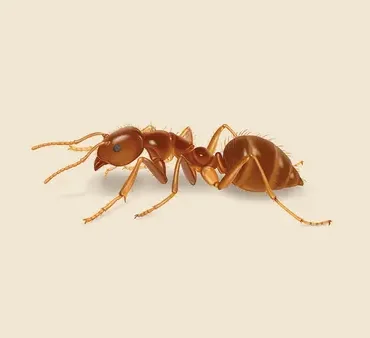
Can you tell a crazy ant from its cousins at a glance? It’s like playing detective with nature. Crazy ants are tiny, but they’re mighty in spirit. They have a unique, erratic way of moving around – as if they’re dancing to their favorite tune! We’ll show you how to spot these little dancers by their size, color, and the twisty paths they take. It’s like a mini treasure hunt right in your backyard!
Crazy ants, including the notorious Rasberry crazy ant (Nylanderia fulva) and the Caribbean crazy ant, are distinguished by their erratic foraging patterns and tendency to infest in large numbers. Unlike the red imported fire ant, crazy ants prefer to nest in a variety of habitats, from potted plants to under rocks, creating massive colonies that can overwhelm native ant populations. Identifying these ants involves looking for their unique movements, nest sites, and the presence of worker ants tirelessly gathering food sources.
Strategies to Manage Crazy Ant Infestations
Now, while it’s fun to learn about these ants, we also need to know how to keep them from crashing our homes. They’re called ‘crazy’ for a reason – they love to explore, and sometimes, they find their way into places we wish they hadn’t. But don’t worry; we’ve got some super cool, super easy tips to keep your home ant-free, without turning it into a castle with a moat!
Dealing with a crazy ant infestation requires understanding their biology and behavior. These ants are highly attracted to electrical equipment and can often be found indoors, foraging for food sources like honeydew produced by aphids. Effective ant control strategies include using ant baits, insecticides, and professional pest management solutions designed to target the crazy ant’s unique preferences. Preventing access to potential nest sites and eliminating standing water can also deter new colonies from establishing.
The Ecology and Impact of Crazy Ants
Buckle up, because we’re about to go on an adventure into the heart of crazy ant territory. Did you know that crazy ants can take on enemies much bigger than themselves? Or that they have a sweet tooth just like you? We’ve got stories of their epic battles, their favorite snacks, and how they talk to each other in a language of chemicals. You’ll see why these ants are not just pests, but tiny heroes of the insect world.
Crazy ants have been found to impact urban and structural entomology significantly. As invasive ant species, they not only disrupt native ecosystems but also cause problems for homeowners and pest professionals alike. Understanding the ecology of crazy ants reveals their ability to outcompete other ants, like the native ants and even the formidable fire ant, by exploiting resources and dominating food sources. Their populations are difficult to control due to their sheer numbers and the vast range of habitats they can occupy.
The Battle Against Fire Ants:
Crazy ants, particularly the tawny crazy ant, possess a unique advantage over fire ant venom, showcasing a fascinating biological control mechanism.
Feeding Habits:
Crazy ants are omnivores, feeding on a variety of food sources from dead ants to the sweet honeydew produced by aphids, showcasing their adaptability in foraging.
Colony Structure:
Understanding the colony structure, including the roles of queen ants, worker ants, and the development of new colonies, is crucial for effective pest control and prevention strategies.
By diving into the world of crazy ants, we uncover the challenges and fascinating aspects of dealing with these invasive species. From the urban and structural challenges posed by their infestations to the innovative strategies in pest control and biological control, crazy ants offer a unique glimpse into the complexity of nature’s ecosystems. Whether you’re dealing with an ant problem or simply curious about these highly adaptive creatures, understanding crazy ants is a journey of discovery, learning, and engagement.