
The Amazing World of Acrobat Ants: A Young Explorer’s Guide
Hey there, awesome young explorers! Are you ready for a fun fact? Imagine being able to bend so much that your back touches your head – sounds like a cool circus trick, right? Well, guess what? Acrobat Ants, also known as Crematogaster, do exactly that! These tiny acrobats can lift their abdomen right over their head and thorax, just like a gymnast making a super cool flip!
But wait, there’s more! Ants aren’t just any ordinary insects. They’re super important in our big, beautiful world. Think of them as nature’s tiny superheroes. They do a lot of hard work that we often don’t see, like cleaning up dead insects and helping plant seeds. Yep, without ants, our world would be a lot messier!
Now, let’s zoom into the world of the Acrobat Ant. These little guys are small but super strong. They have this unique heart-shaped abdomen and are pretty clever about where they live. They can make their homes in all sorts of places, like tiny cracks in walls, old wood, and even in the soft wood that gets a bit mushy over time. But they’re not just your regular pest; they’re fascinating creatures with their own special ways and roles in nature.
In this super fun adventure, we’re going to discover everything about Acrobat Ants! We’ll explore their colonies, their favorite foods like honeydew and mealybugs, and how they’re different from other ants like the big carpenter ants or the fiery fire ants. Plus, we’ll learn how to spot them and keep them as happy neighbors, not houseguests.
So, are you ready to dive into the amazing world of these acrobat artists? Put on your explorer hats, and let’s start this exciting journey to learn all about Acrobat Ants and how we can live together in harmony!
Fun Trivia: Did you know that some Acrobat Ants can change the color of their abdomen depending on their diet? Nature sure is full of surprises!
Identification of Acrobat Ants
Are you ready to become an Acrobat Ant expert? Let’s break it down into bite-sized pieces, so you can spot these little acrobats with ease!
Physical Characteristics
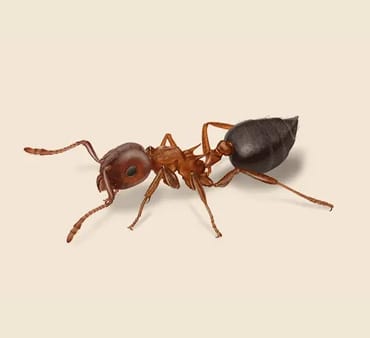
- Size: Acrobat Ants are tiny but noticeable, usually about 1/8 to 1/4 inch long.
- Color: They wear a range of colors from light brown to black, and some even have a dash of dark red.
- Distinctive Feature: Their coolest feature is their heart-shaped abdomen. It’s like a little heart backpack they carry around!
- Fun Fact: When Acrobat Ants get excited or feel threatened, they do their signature acrobat move – lifting their abdomen over their thorax and head. It’s like they’re showing off their acrobat skills!
Habitat
- Where They Live: These ants are not picky about where they call home. You can find them:
- In the forests, working hard on decaying wood or relaxing in a stump.
- In gardens, soaking up the sun.
- Inside homes, setting up camp in wall voids, under insulation, or in moist wood.
- Cool Fact: Acrobat Ants are like tiny architects, always looking for the perfect spot to build their homes.
Behavior of Acrobat Ants: Fun Facts and Trivia
- Introduction to Acrobat Ant Behavior
- Did you know? Acrobat Ants are named for their incredible ability to acrobatically bend their bodies!
- Acrobatic Abilities
- The Super Bend: These ants can lift their abdomen over their body as if they’re doing a super cool yoga pose.
- Trivia Time: Can you think of any other animals that can bend like Acrobat Ants?
- Communication Methods
- Ant Talk: They use this acrobatic move and special scents called pheromones to chat with each other. It’s like they have their own secret ant language!
- Fun Fact: If ants had a school, they’d probably ace their gymnastics class with their abdomen-lifting skills!
- Defensive Strategies
- Ant Bodyguards: When they feel threatened, they use their bendy move to scare off enemies. It’s their way of saying, “Back off, buddy!”
- Did You Know? This behavior is also a show of strength, like a tiny ant superhero pose!
- Feeding Habits and Diet
- Sweet Tooth: These ants love honeydew, a sugary treat made by other tiny insects.
- Trivia: If you were an ant, what sweet treats would you look for?
- Role in the Ecosystem
- Nature’s Little Helpers: By eating other insects, they help keep the bug population in check. It’s like they’re tiny pest controllers!
- Cool Fact: They’re part of a big team that helps keep our gardens and forests healthy.
- Social Dynamics within the Colony
- Many Hats: From workers to queens, each ant has a special role. It’s like a busy ant city inside their colony!
- Fun Question: What job would you want if you were an Acrobat Ant?
- Adaptability and Learning
- Smart Ants: They can quickly adapt to changes in their environment. They’re like little explorers always ready for an adventure.
- Amazing Fact: Some ant colonies can last for many years, with each generation learning from the last!
- Interaction with Humans
- Ant Neighbors: Sometimes they visit our homes, but they prefer their natural outdoor homes.
- Remember: If you see an Acrobat Ant, it’s just doing its important ant tasks!
- Conclusion
- So now you know just how cool Acrobat Ants are with their super bendy moves and sweet tooth for honeydew. Keep an eye out for these tiny gymnasts in your garden!
Remember, every time you spot an Acrobat Ant, you’re looking at a tiny but mighty part of our big, amazing world!
Comparison with Other Ants
- Heart-Shaped Abdomen: Remember, no other ant has that distinctive heart-shaped back. That’s your key to spotting an Acrobat Ant!
- Size and Color: They are generally smaller and lighter in color compared to carpenter ants.
- Behavior: Unlike fire ants, Acrobat Ants are less aggressive. They won’t swarm and sting like fire ants do.
Remember: “If you see an ant doing the acrobat move with its abdomen, you’ve probably found an Acrobat Ant!” – Dr. BugExplorer
With these fun facts and tips, you’re now on your way to becoming an Acrobat Ant detective. Keep your eyes peeled, and you might just spot one of these fascinating creatures doing their acrobat moves!
Prevention
As we’ve become familiar with identifying Acrobat Ants, it’s time to learn effective yet gentle ways to keep them outside our homes and gardens. Balancing our actions is key to coexisting with these tiny creatures.
Understanding Necessity
- Why Prevent Ants: Acrobat Ants, while environmentally significant, can sometimes invade our homes in search of food or shelter. In large numbers, they might damage property, strip the insulation from electrical wiring, or even bite, causing discomfort.
- A Gentle Approach: It’s important to guide these pest ants away without causing harm. This is where a pest control professional can offer advice, especially when dealing with a significant infestation.
Natural Prevention Tips
- Cleanliness is Crucial: Leaving no treats like food crumbs and spills is essential. Acrobat Ants are always on the lookout for an easy meal.
- Seal Entry Points: Inspect your home, particularly along the foundation and other entry points, for tiny cracks or holes. Using caulk to seal these areas can prevent ants from entering.
- Natural Repellents: Using safe, natural repellents such as cinnamon, peppermint oil, or lemon juice can deter ants. These scents are unappealing to them and can act as a natural barrier.
- Activity Idea: Involve your family in setting up these ‘scent barriers’ around potential entry points.
- Secure Pet Food: Ensure your pet’s food is stored properly and clean up any leftovers promptly.
The Importance of Balance
- Ecological Significance: Acrobat Ants contribute to ecological balance by decomposing material and serving as a food source for other wildlife.
- Kind Prevention: When treating the ant nest or taking measures to prevent ants, doing so kindly and effectively is crucial. It’s about redirecting them back to their natural habitat, not harming them.
- Educating Others: Share your knowledge about Acrobat Ants with family and friends. Explain the importance of these ants and how we can prevent them from entering our homes or businesses without causing harm.
Professional Advice
- Consulting Experts: In cases where ant nests are problematic, especially outside the home or near business premises, consulting a pest control professional can provide targeted and safe solutions.
- Proactive Measures: Regularly inspecting and maintaining your home, especially areas prone to moisture and decay, can prevent ant infestations before they start.
With a mix of DIY methods and professional advice when needed, you can effectively manage Acrobat Ants, ensuring they thrive in their natural habitat without infesting your living spaces. It’s about respecting these little creatures while safeguarding our homes and businesses.
Education
Dive into the enthralling world of Acrobat Ants, the tiny, yet mighty members of our ecosystem. Let’s uncover their secrets and learn why these ants are more than just your average pest.
The Life Cycle of Acrobat Ants
- From Egg to Adult: It all begins as an egg in an ant nest. The journey from a tiny egg to a larva, then to a pupa, and finally an adult ant is a marvel. This transformation, which takes about 60 days, is a crucial part of the biology of Acrobat Ants.
- Life Inside the Nest Site: Within their nest, often found in moist wood or wall voids, these ants progress through their life stages, playing their part in the ant colonies.
Diet and Feeding
- What’s on Their Menu?: Acrobat Ants feed on a variety of foods. They love honeydew produced by mealybugs and aphids, and they’re also known to eat dead insects. This diet helps control pest populations.
- Foraging Facts: These ants forage far and wide, often along the foundation of homes or outside in the garden. Their quest for food is vital for the colony’s survival.
Social Structure
- Roles and Responsibilities: Each ant nest hosts a single queen, worker ants, and during certain seasons, swarmers (males and females). The queen lays eggs, while the workers maintain the nest, and swarmers venture out to start new colonies.
- Swarmers: These winged ants often emerge from the nest in wall voids or decaying wood to mate and establish new colonies.
Communication
- Talking with Chemicals: Acrobat Ants communicate using pheromones. This chemical language helps them direct others to food sources or alert them to danger.
Environmental Impact
- Beneficial Insects: As a species of acrobat ants, Crematogaster, plays a crucial role in the ecosystem. They aid in decomposing organic matter and serve as a food source for other wildlife.
Fun Facts
- Strength and Agility: These ants can lift several times their body weight and are known for their agility. Their ability to raise their abdomen over their thorax and head is not just for show; it’s a defensive mechanism.
Interaction with Humans
- When Paths Cross: While acrobat ants in the United States are common, their interaction with humans is usually around the home. They may infest wood or insulation, prompting the need for pest control.
Conservation
- Protecting Their World: Understanding the biology of acrobat ants helps in effective control of acrobat ants without harming them. Avoiding harsh insecticides and using natural pest control methods is key.
Activities and Experiments
- Observation Time: Watch how these ants operate near the nest, especially how they tend to nest in wood or forage for food. Always respect their space and observe from a distance.
- Ant Farms: With parental guidance, consider setting up a small ant farm to watch their daily activities.
Further Resources
- Educational Material: Seek resources from cooperative extensions or entomology departments like Iowa State University for detailed information.
- Online Exploration: Look up more about acrobat ants, especially crematogaster species, to enhance your knowledge.
Conclusion
In our journey learning about Acrobat Ants, we’ve discovered their unique lifestyles, from nest building in moist wood or wall voids to their fascinating feeding habits. These ants are more than just a pest; they’re an integral part of our ecosystem.
Keep exploring and learning about these incredible ants. Share your newfound knowledge with others and remember, every creature, big or small, has an important role in our world.
Final Fascinating Fact
Did you know that Acrobat Ants can change their diet based on what’s available, showing incredible adaptability? This flexibility is just one of the many reasons why these ants are fascinating creatures of nature.